

Dust is an unavoidable challenge in any aggregate, mining, or material handling environment. Even the most streamlined operations can run into issues when fine particles escape into the air. Left unchecked, dust isn’t just a nuisance. It can threaten worker health, damage equipment, and put your operation at risk of costly regulatory violations.
Why Dust Control Matters in Aggregate and Mining Operations
Managing dust isn’t optional–it’s essential. Excessive airborne particles, especially respirable crystalline silica, have been linked to serious health hazards for workers. Stricter OSHA regulations now place tighter limits on worker exposure, with permissible exposure limits (PEL) for crystalline silica set at 50 micrograms per cubic meter over an eight-hour shift. Failing to comply can result in hefty fines and operational shutdowns.
But the risks don’t stop with compliance. Dust also accelerates wear on machinery, clogs filters, and leads to increased downtime and maintenance costs. Creating a cleaner work environment isn’t just good practice, it’s a strategic move for long-term productivity and profitability.
Wet vs. Dry Dust Suppression: Choosing the Right Approach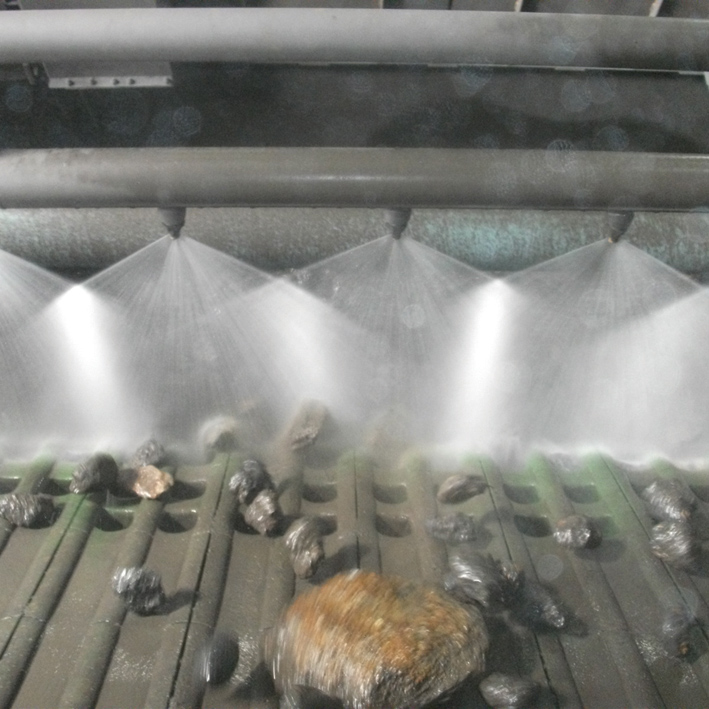
Every material and process present unique dust control challenges. Dry dust control focuses on containing dust at its source. This can include using covers on screens, enclosures on transfer points, and physical barriers that trap particles before they become airborne.
Wet suppression, on the other hand, introduces water or environmentally safe chemical agents to bind dust and prevent it from escaping. Water spray nozzles and atomized misting systems are common solutions at conveyor belts, crushers, and loading zones. In some cases, it may be necessary to utilize specialized foam-based agents that suppress dust without altering the moisture content of your product.
The Advantages of Wet Dust Suppression
Wet dust suppression systems are particularly effective for high-dust areas like crushers and transfer points. Integrated sprays, misters, and foam systems not only reduce visible dust but also cut down on respirable particles that pose health risks.
Implementing wet suppression helps operations meet OSHA and MSHA requirements. It also preserves equipment, reduces clean-up needs, and creates a safer, more comfortable work environment for employees.
Ready to Take Control of Dust at Your Operation?
Whether you’re exploring wet dust suppression systems, dry containment strategies, or a tailored combination of both, our team at NorX has the expertise and products to meet your unique needs. Don’t let dust threaten your productivity or compliance—contact us today to discuss how we can help you achieve cleaner, safer operations.