

Essential Equipment in Aggregate Processing
While screens are commonly associated with sifting sand at the beach, their role in rock processing is very technical. In the aggregate industry, screens play a crucial role in ensuring materials are processed to precise specifications required for various applications.
The Role and Importance of Rock Screens 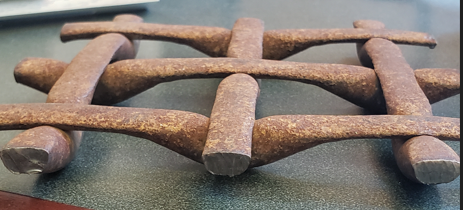
In rock crushing operations, crushers do not consistently produce uniformly sized materials. Rock screens are essential as they separate and classify crushed materials, ensuring they meet specific size requirements. They also facilitate the processes of washing or dewatering. This step is critical for producing aggregates tailored for concrete, asphalt, and base materials, meeting customer demands across diverse markets.
Components and Functionality of Rock Screens
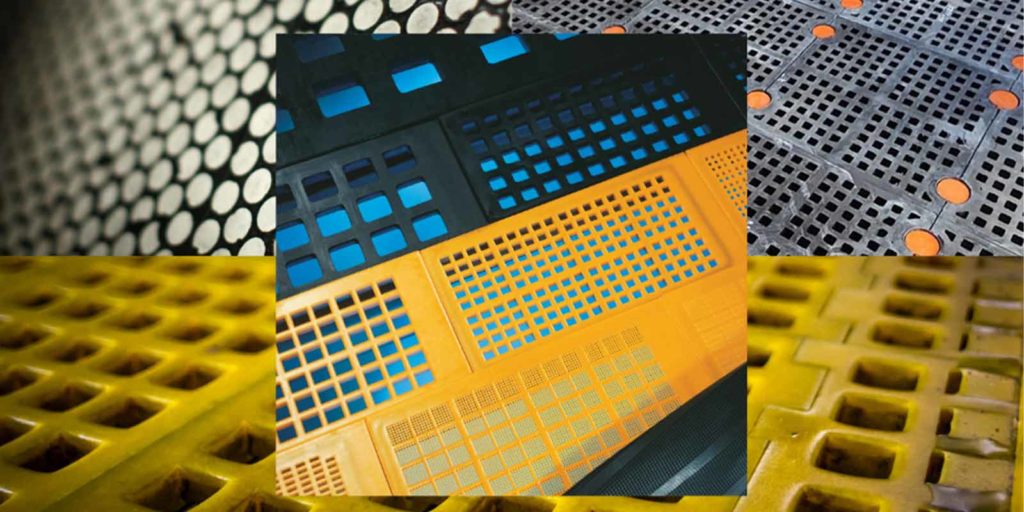
Rock screens typically consist of a screen box with multiple screen decks. Each is fitted with screen media such as metal cloth, rubber, or polyurethane. These screens utilize a vibrating mechanism to efficiently sort and move materials through the decks, ensuring precise sizing and effective separation of aggregates.
 Variety and Adaptability in Rock Screen Designs
Most quarries utilize various types of rock screens depending on production needs and space constraints. Incline screens are common for stationary operations due to their gravity-assisted material movement. Flat screens are preferred in portable setups where height restrictions apply. Multi-sloped screens, or “banana screens,” offer enhanced efficiency by quickly processing larger particles at the start and allowing near-sized particles more time for screening.
Evolution of Screen Media
Screen media, such as wire cloth and synthetic materials like rubber or urethane, play a critical role in screen performance and longevity. Rubber panels excel in high-impact applications. They offer sound reduction and extended wear life. However, urethane panels are ideal for wet materials due to their durability and resistance to wear from abrasion. Wire cloth, while cost-effective upfront, requires more frequent replacement in abrasive environments. However, it provides crucial open area for maximum screening efficiency.
Conclusion: The Future of Rock Screens
Despite advancements in other areas of aggregate processing, the fundamental design and mechanisms of rock screens have remained relatively unchanged. However, ongoing innovations in screen media and configuration strive to optimize performance and durability. Choosing the right screen type and media is very important for maximizing efficiency and minimizing downtime in rock processing operations. For more information, give us a call at (770)338-0111. Our team of subject matter experts at NorX can help you decide on the best rock crushing screens for your individual operation!