

Tips to Extend Your Investment
Crusher wear parts are a critical operating expense in aggregate production. While wear is inevitable, how fast those parts wear and how often they need to be replaced depends on several controllable factors.
At NorX, we work with producers every day who want to get the most life possible out of their crusher wear parts without sacrificing production or product quality. Understanding what drives wear is the first step toward extending component life and protecting your investment.
Key Factors That Impact Wear Part Life
1. Material Characteristics
The material being processed plays a major role in wear rate.
Key variables include:
• Hardness – Harder rock increases abrasive wear
• Abrasiveness – High silica content accelerates wear
• Moisture and fines – Can cause packing, heat, and uneven wear
• Size and shape of feed – Oversized or slabby material increases stress
Highly abrasive materials will naturally shorten wear life, but proper setup and operation can help manage the impact.
2. Feed Size and Consistency
Inconsistent or oversized feed is one of the most common causes of premature wear.
Issues include:
• Uneven wear patterns
• Localized high-impact zones
• Increased risk of cracking or breakage
Best practice:
Keep feed size within the crusher’s design limits and maintain consistent, well-distributed feed to promote even wear across liners and mantles.
3. Crusher Setup and Closed Side Setting (CSS)
Incorrect crusher settings can dramatically shorten wear life.
• A CSS that’s too tight increases pressure and heat
• A CSS that’s too open can cause excessive impact and inefficient crushing
• Improper setup can lead to accelerated wear on specific areas rather than uniform wear
Routine monitoring and adjustment of crusher settings helps maximize liner life and maintain consistent product gradation.
4. Wear Part Selection and Alloy Choice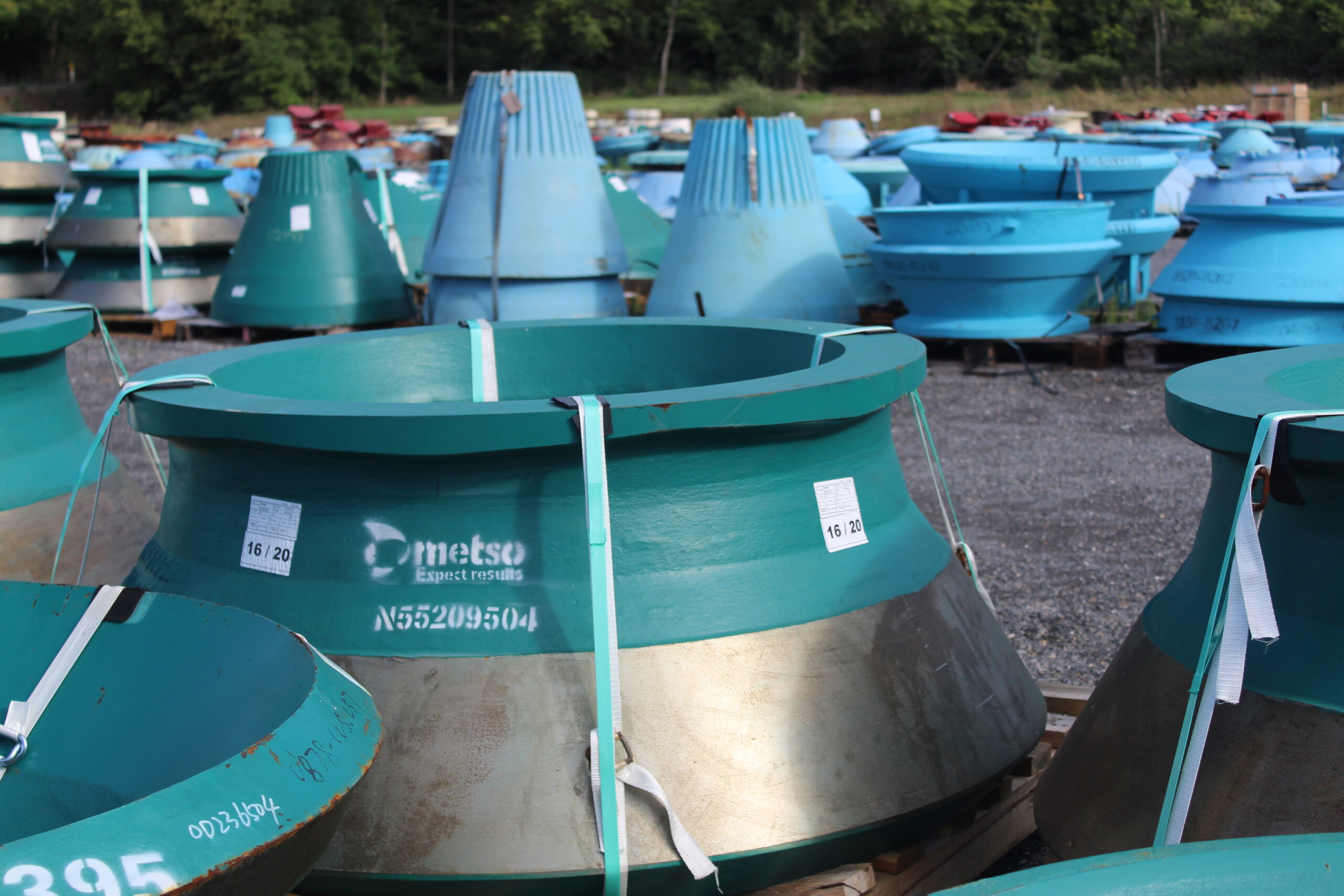
Not all wear parts are created equal.
Factors that matter:
• Alloy composition (manganese percentage, chrome content, etc.)
• Liner profile matched to the application
• Correct part selection for the material being crushed
Using the right wear part for the job can significantly extend service life while maintaining crusher performance.
5. Operating Practices
How a crusher is run day to day has a direct impact on wear.
Common practices that shorten wear life:
• Running at improper speeds
• Allowing uneven feed distribution
• Operating under excessive power draw
• Ignoring early signs of abnormal wear
Consistent operating discipline leads to more predictable wear patterns and longer intervals between change-outs.
6. Maintenance and Inspections
Wear parts rarely fail without warning.
Regular inspections help identify:
• Uneven wear before it becomes critical
• Cracking or fatigue
• Alignment issues
• Opportunities to rotate or adjust components to extend life
Proactive maintenance allows you to maximize the usable life of each wear part rather than replacing components too early or too late.
Tips to Extend the Life of Your Crusher Wear Parts
At NorX, we recommend focusing on these proven strategies:
• Maintain proper feed size and distribution
• Match wear part alloys to material conditions
• Monitor power draw and crusher performance
• Adjust CSS as wear progresses
• Inspect wear parts regularly and rotate when possible
• Train operators to recognize early warning signs
Small adjustments in operation and maintenance often lead to significant cost savings over time.
Partner with NorX to Protect Your Investment
Crusher wear parts are an investment, one that should deliver maximum value before replacement. At NorX, our team works with customers to evaluate material conditions, operating practices, and wear part selection to help extend component life and reduce overall cost per ton.
If you’re looking to improve wear performance or troubleshoot premature wear, our experts are ready to help.
Contact NorX today to learn more.