

Selecting the right crusher liners is one of the most important decisions you can make for crushing performance, production efficiency, and equipment longevity. Crusher liners are the wear components inside a rock crusher that directly contact the material being processed. Their design, profile, and metallurgy all influence how effectively your crusher performs.
At NorX, we understand that every operation handles different feed material, production goals, and operating conditions. Choosing the correct rock crusher liners for your specific application can reduce downtime, improve product consistency, and lower total operating costs.
If you are wondering how to choose the right crusher liners for your material, this guide will walk through the key factors to consider.
Why Crusher Liners Matter in Crushing Operations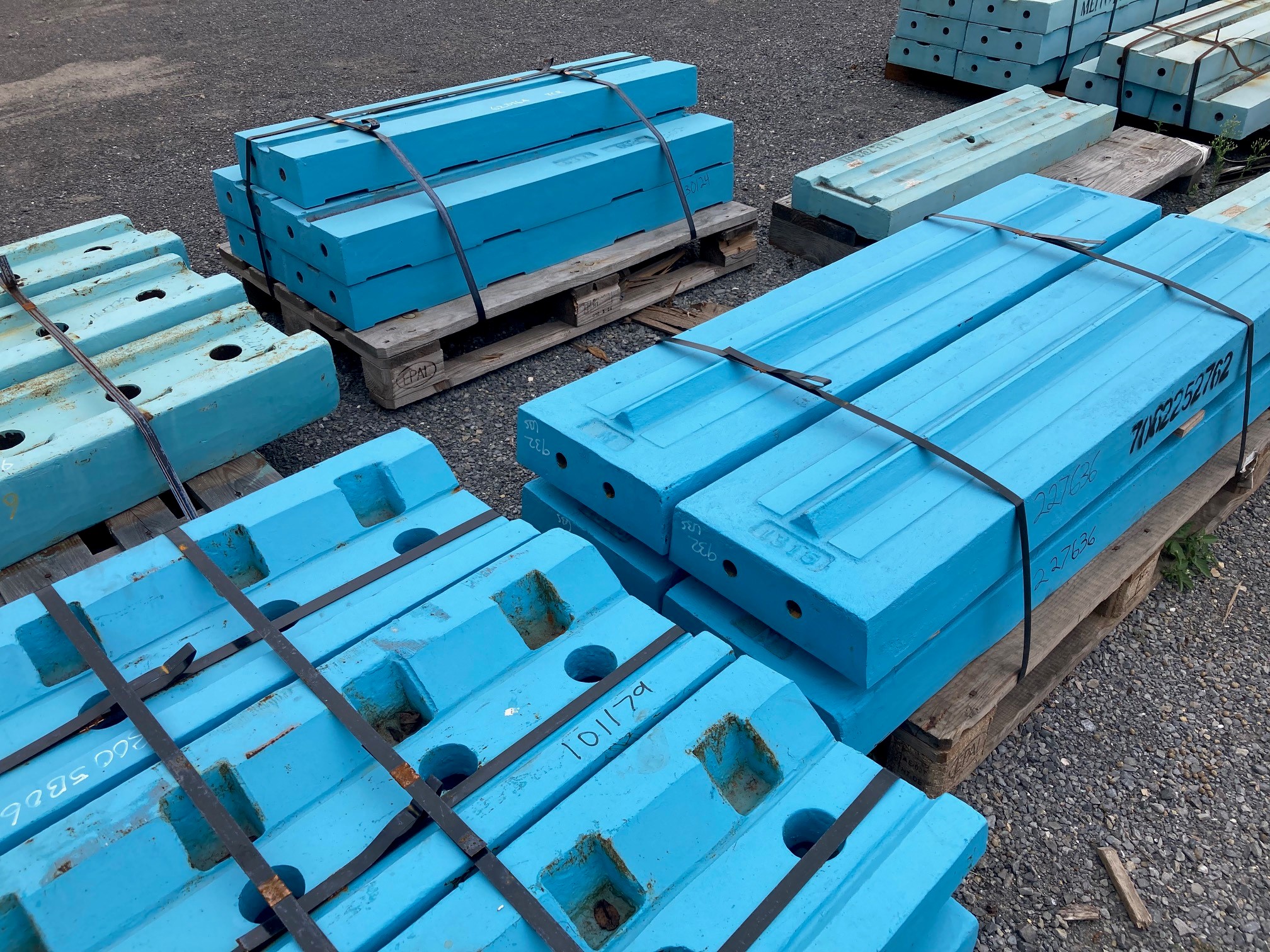
Crusher liners protect the internal surfaces of crushing equipment while helping shape the crushing chamber. Whether you are running a jaw crusher, cone crusher, or impact crusher, liners are critical to:
- Maintaining proper reduction ratios
- Delivering consistent product size
- Maximizing throughput
- Reducing premature wear on crusher components
- Improving crushing efficiency
- Minimizing maintenance downtime
Worn or incorrect liners can lead to poor performance, increased power consumption, and unnecessary wear on the crusher.
Understand the Material Being Crushed
The first step in choosing the best crusher liners is understanding the characteristics of your feed material. Different rock types and recycled materials create different wear patterns and crushing demands.
Important material factors include:
Hardness
Harder materials such as granite, basalt, and quartzite require liners with high wear resistance and durability.
Abrasiveness
Highly abrasive materials wear liners faster. Aggregate operations processing silica-rich stone often need tougher liner alloys.
Moisture Content
Wet or sticky material can cause packing, bridging, and reduced chamber efficiency. Liner design can help improve material flow.
Feed Size
Large feed material may require a more open chamber profile, while smaller feed may perform better with tighter settings.
Desired End Product
Your final product specification matters. Different liner profiles can influence gradation, shape, and reduction.
Match Liners to Crusher Type
Not all crusher liners are the same. Each type of rock crusher uses different wear parts designed for its crushing action.
Jaw Crusher Liners
Jaw crushers commonly use fixed and swing jaw dies. These liners are designed to compress material between two surfaces. Tooth profile and manganese grade are key considerations.
Cone Crusher Liners
Cone crushers use mantles and concaves. Choosing the right chamber profile helps balance throughput, reduction, and liner wear life.
Impact Crusher Liners
Impact crushers use blow bars, aprons, and impact plates. Material type and desired shape play a major role in wear part selection.
Choose the Right Liner Material
The metallurgy of crusher liners directly impacts wear life and performance. Common liner materials include:
Manganese Steel
A popular option for many crushing applications. Manganese hardens under impact, making it ideal for high-impact crushing environments.
Alloy Steel
Used in applications requiring added toughness and wear resistance.
Chrome or Specialty Alloys
Often selected for highly abrasive applications where standard manganese may wear too quickly.
The right material depends on feed characteristics, crusher type, and production goals.
Consider Chamber Profile and Liner Design
Crusher liner profile is just as important as metallurgy. A properly matched liner design helps optimize performance.
Factors to evaluate include:
- Coarse, medium, or fine chamber configurations
- Feed opening requirements
- Throughput targets
- Product size goals
- Wear distribution throughout the chamber
Incorrect profiles can create uneven wear, poor throughput, and inconsistent product output.
Watch Wear Patterns and Performance Data
One of the best ways to improve liner selection is by monitoring real-world performance. Pay attention to:
- Liner wear life in operating hours or tons processed
- Production rates
- Power draw
- Product gradation
- Uneven wear areas
- Crusher choke feed consistency
Tracking this data helps identify opportunities to upgrade liner design or metallurgy.
Reduce Downtime With the Right Crusher Liners
Unplanned liner changeouts can interrupt production and increase maintenance costs. Choosing the correct liners can help extend service intervals and make wear life more predictable.
A proactive liner strategy often includes:
- Scheduled inspections
- Wear monitoring
- Inventory planning
- Matching liners to seasonal material changes
- Consulting experts on chamber optimization
Work With a Trusted Crusher Wear Parts Partner
Choosing the right crusher liners is not always straightforward. Material characteristics, crusher settings, and production goals all influence the best solution.
At NorX, we help producers identify the best rock crusher liners for their operations. From liner selection and wear part sourcing to crusher support and maintenance solutions, our team is committed to helping customers maximize uptime and productivity.
Contact NorX for Crusher Liner Solutions
If your current liners are wearing too fast, reducing production, or creating inconsistent results, it may be time to review your setup.
Contact NorX today to discuss crusher liner options tailored to your material, machine, and production goals. The right liner choice can make a measurable difference in performance.